

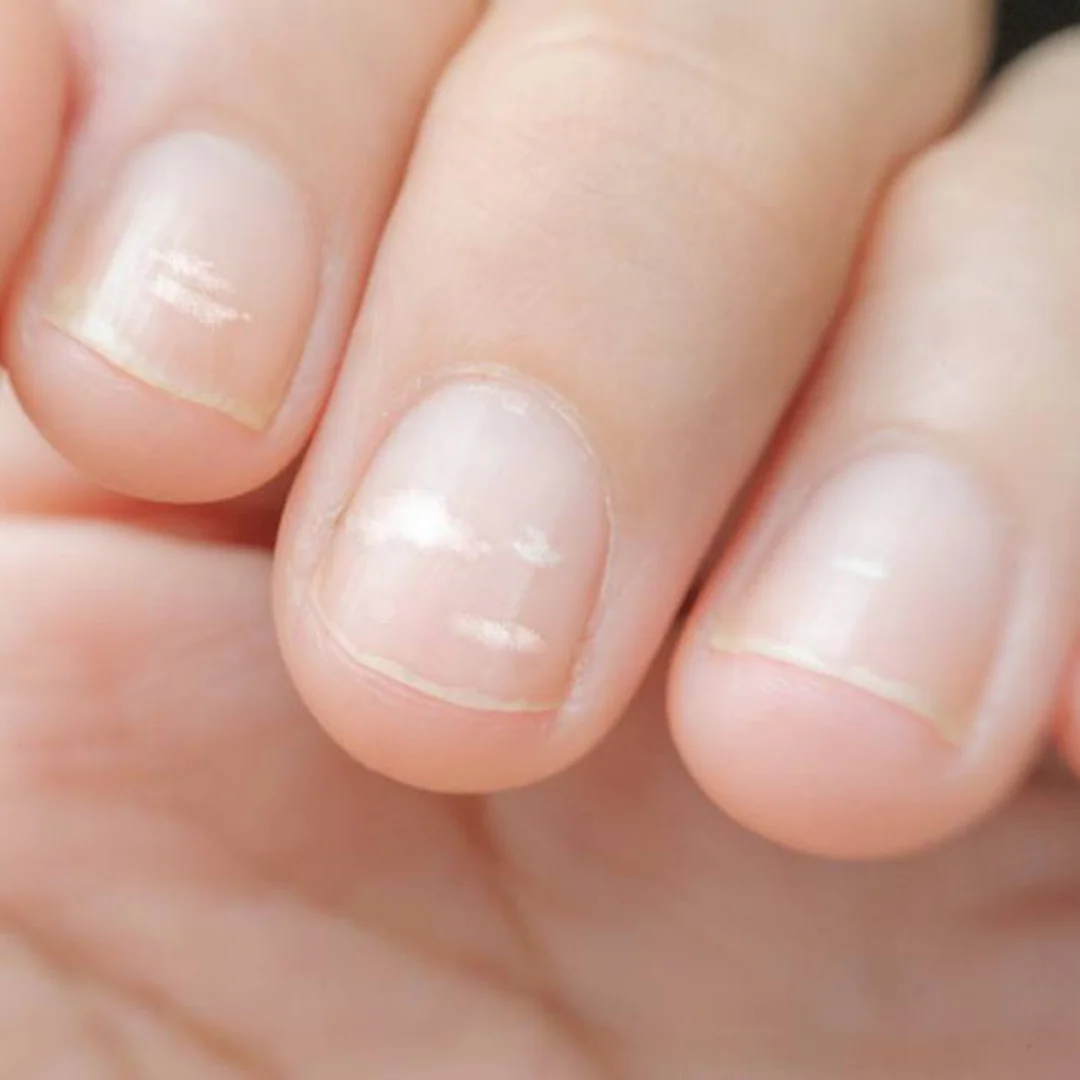
Have you ever noticed small white dots or streaks on your nails and wondered what they mean? Many people assume these marks signal a vitamin deficiency, lack of calcium, or even something more serious. The truth is, white spots on nails are very common — and in most cases, they’re harmless.
But not all white spots are the same. Some fade as nails grow out, while others could signal underlying issues worth addressing. This guide will explain the myths and facts behind white spots on nails, explore possible causes, and give you effective strategies to treat and prevent them.
What Are White Spots on Nails?
The medical term for white spots on nails is leukonychia. These are tiny areas of discoloration that appear on the nail plate. They can show up as:
-
Small dots
-
Horizontal lines
-
Larger cloudy patches
White spots usually develop when the nail matrix (the root under the cuticle where nails grow) is disrupted. As the nail grows, the damaged area appears white.
Myths About White Spots on Nails
Let’s start by clearing up some common misconceptions.
Myth 1: White spots mean you don’t drink enough milk.
Fact: Calcium deficiency is almost never the cause of white spots.
Myth 2: White spots mean you’re sick.
Fact: Most white spots are due to minor trauma or damage. Only in rare cases do they signal a serious health issue.
Myth 3: White spots are contagious.
Fact: They’re not. Unless they’re caused by a fungal infection, you cannot spread them.
Myth 4: White spots last forever.
Fact: They grow out as nails grow — usually disappearing within weeks to months.
Causes of White Spots on Nails
1. Minor Trauma
The most common cause. Small injuries to the nail matrix — like hitting your nail, biting cuticles, or aggressive manicures — create white spots as new cells form unevenly.
2. Frequent Manicures or Nail Enhancements
Excessive filing, harsh removal of acrylics or gels, or over-buffing damages the nail surface and leads to white marks.
3. Nail Polish or Remover Reactions
Some people react to chemicals in polish, adhesives, or acetone removers, leaving faint spots.
4. Fungal Infections
Certain nail fungi can create chalky white patches. These often spread and may thicken nails over time.
5. Allergic Reactions
White spots can develop after allergic responses to nail products like adhesives, hardeners, or gel polish ingredients.
6. Nutritional Deficiencies (Rare)
In some cases, lack of zinc, iron, or protein may cause repeated white spots.
7. Systemic Conditions (Very Rare)
Persistent or widespread leukonychia could be linked to conditions like eczema, psoriasis, or kidney/liver issues. In such cases, a doctor’s consultation is necessary.
The Science of Nail Growth and White Spots
Nails grow from the nail matrix beneath the cuticle. When this area is disrupted, new keratin cells are affected, forming spots.
-
Fingernails grow about 3 mm per month.
-
Toenails grow more slowly (1 mm per month).
That means if you see white spots on nails today, they likely reflect events that happened weeks ago — like bumping your nail or removing polish too aggressively.
Are White Spots Dangerous?
In most cases, no. White spots are cosmetic and harmless. But you should monitor for red flags:
-
Spots that spread or worsen.
-
Discoloration that turns yellow, brown, or black.
-
Thickened or brittle nails.
-
Pain, swelling, or foul odor.
If these occur, it may point to a fungal infection or underlying medical issue.
Fixes and Treatments for White Spots on Nails
1. Let Them Grow Out
The simplest “treatment” is patience. As nails grow, the white spots move forward and can be trimmed away.
2. Strengthen and Protect Nails
-
Apply cuticle oils daily (CND SolarOil, OPI ProSpa, Cuccio).
-
Use hand creams with vitamin E or shea butter (Neutrogena, The Body Shop).
-
Wear gloves when cleaning or doing dishes.
3. Avoid Over-Manicuring
-
File gently with 180–240 grit files.
-
Limit buffing to once a month.
-
Never rip off acrylics or gels — soak them properly.
4. Use Protective Base Coats
Base coats prevent polish chemicals from damaging nails. Try:
-
Essie First Base
-
OPI Nail Envy
-
Butter London Nail Foundation
5. Nutrition and Supplements
Even though deficiencies are rare, supporting nail health with diet is always a win:
-
Zinc: Pumpkin seeds, chickpeas.
-
Iron: Spinach, red meat.
-
Protein: Eggs, chicken, beans.
Supplements: Nature’s Bounty Hair, Skin & Nails; Sports Research Biotin (Amazon, Walmart, Ulta).
6. Medical or Antifungal Treatments
If spots are chalky, spreading, or paired with thickened nails:
-
Try OTC antifungal creams (Clotrimazole).
-
See a dermatologist for prescription lacquers or oral antifungals.
Prevention Strategies
-
Keep nails trimmed and filed.
-
Always sanitize nail tools.
-
Don’t bite or pick at nails.
-
Apply moisturizer daily.
-
Use non-acetone removers when possible.
-
Take polish breaks every few weeks.
Lifestyle and Seasonal Tips
-
Winter: Cold air dries nails, increasing trauma risk. Double up on oils.
-
Summer: Chlorine exposure can worsen nail stress. Use gloves in pools if prone to spots.
-
Fall/Spring: Great time for strengthening treatments or keratin masks.
Case Studies: Everyday Examples
Case 1: The Manicure Lover
Anna got weekly manicures with gels. Over time, she noticed white spots on nails near the tips. Her technician explained they came from over-buffing and removal. Anna switched to gentler services, used cuticle oil daily, and within three months her nails grew out spot-free.
👉 Lesson: Technique matters as much as polish.
Case 2: The Busy Mom
Julie bit her nails when stressed. She began noticing small white dots after biting cuticles too often. By keeping nails shorter, applying bitter anti-bite polish, and massaging in vitamin E oil, she broke the habit and her nails cleared.
👉 Lesson: Nail habits show up on the surface.
Case 3: The Hidden Fungus
Michael noticed cloudy white patches spreading on two toenails. At first, he thought it was trauma. But when it worsened, his doctor diagnosed a mild fungal infection. With topical antifungal lacquer and better foot hygiene, his nails grew back clear.
👉 Lesson: When spots spread, medical attention is the safest step.
FAQs About White Spots on Nails
Q: Do white spots on nails mean I need more calcium?
A: No. Calcium deficiency is almost never the cause.
Q: Will white spots go away on their own?
A: Yes, most grow out naturally as nails grow.
Q: Should I worry about white spots?
A: Only if they spread, worsen, or pair with pain or thickened nails.
Q: Can I cover them with polish?
A: Yes, but always use a protective base coat to prevent further issues.
Q: Can stress cause white spots?
A: Indirectly. Stress leads to nail biting or trauma, which may result in spots.
Meski’s Picks for White Spot Nail Care
At Meski Nail N More, we offer retail-friendly products to care for nail health:
-
Gentle buffers and files for safe maintenance.
-
Cuticle oils and creams for hydration.
-
Protective base coats to prevent future spots.
-
Latex-free gloves and spa liners for everyday protection.
We also recommend checking trusted retailers like Amazon, Walmart, Sephora, and Ulta for well-known nail health brands that complement Meski’s essentials.
Final Thoughts
White spots on nails may look worrying, but in most cases, they’re harmless signs of minor trauma or polish habits. With patience, protective care, and consistent nail hygiene, they fade naturally.
At Meski Nail N More, we believe every nail tells a story — and with the right care, yours can tell one of strength, health, and beauty.
Meski Nail N More
10015 Garden Grove Blvd, Garden Grove, CA 92844
Email: contact@meskinail.com
Phone: +1 (800) 869-2126


