

Nội dung
ToggleWhen Your Nails Look Perfect — Until They Break
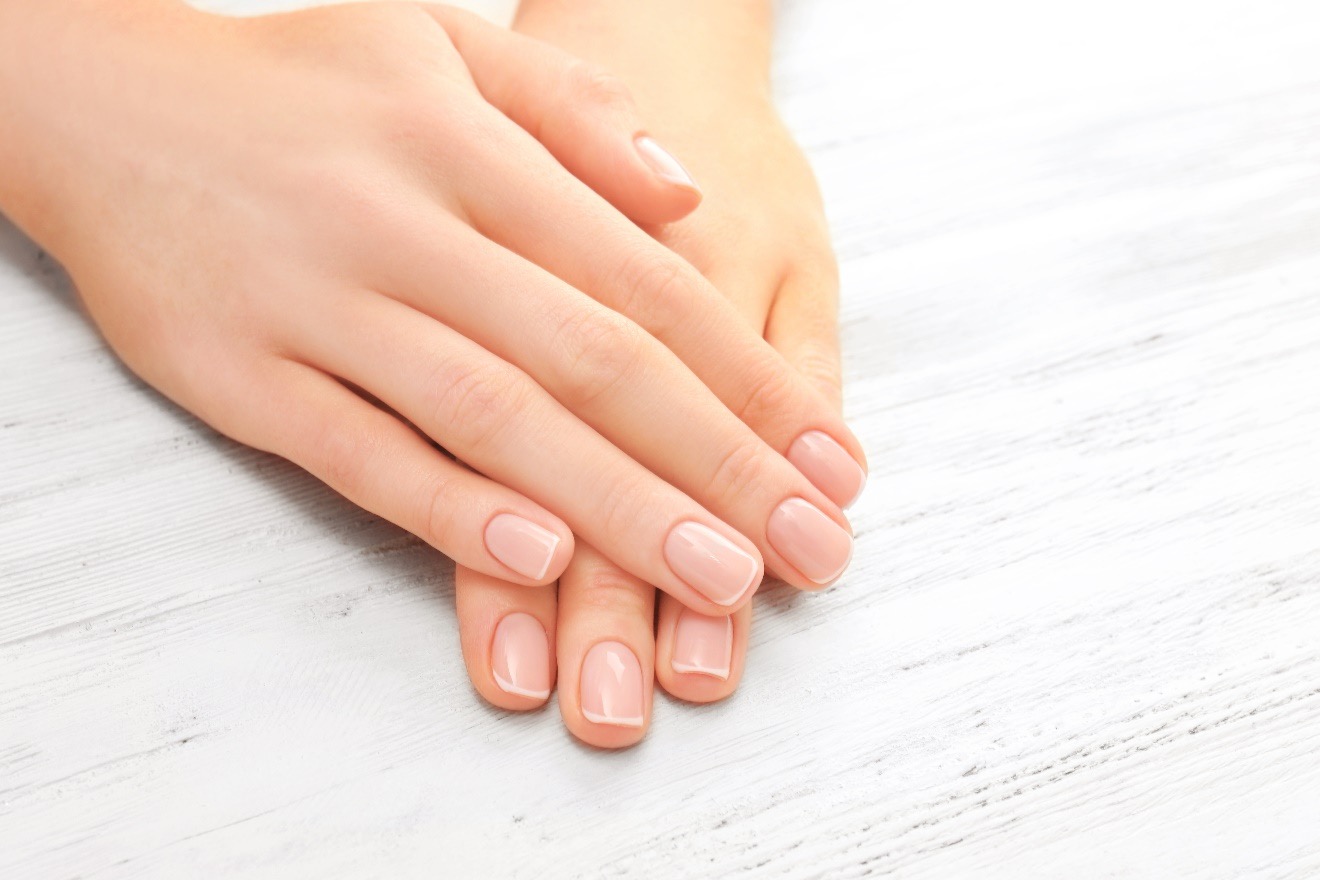
Your nails look good.
They’re:
smooth
evenly colored
shiny
not peeling
not splitting
People tell you:
“Your nails look so healthy!”
Then one breaks.
Then another.
Then suddenly, you’re confused.
How can nails that look healthy break so easily?
This is one of the most common — and most misunderstood — nail problems. And it happens because appearance and strength are not the same thing.
Healthy-looking nails are not always strong nails.
This article explains:
why nails can look healthy but still fail
what “healthy nails” actually mean biologically
the difference between surface health and structural health
the hidden weaknesses appearance doesn’t show
how to build real nail strength, not just a good look
1. The Biggest Misconception: “Healthy” Is a Visual Term
Most people define nail health visually.
If nails:
look smooth
have no discoloration
feel clean
hold polish well
They’re labeled “healthy.”
But from a biological and mechanical perspective, visual health is only one layer.
Nails have:
surface condition
internal keratin structure
flexibility
density
stress tolerance
You can have a perfect surface and a weak internal structure — and that’s where breakage comes from.
2. The Two Types of Nail Health (That Get Confused)
To understand breakage, you need to separate nail health into two categories.
1. Surface Health
What you see and feel.
Includes:
shine
smoothness
color
texture
lack of peeling
Surface health is mostly affected by:
hydration
oils
friction
chemicals
This is what most people focus on.
2. Structural Health
What you don’t see.
Includes:
keratin layering
thickness consistency
flexibility balance
stress distribution
internal bonding
Structural health determines:
whether nails bend or snap
where they break
how much force they tolerate
how long they survive at length
Breakage comes from structural health, not surface health.
3. Why Nails Can Look Perfect but Be Structurally Weak
Here are the most common hidden reasons.
Reason 1: Nails Are Too Thin (But Smooth)
A nail can be:
beautifully smooth
evenly filed
glossy
…and still be too thin to handle daily stress.
Over-buffing, frequent polish removal, or aggressive prep can thin the nail without making it look damaged.
Thin nails bend more → bending stresses keratin layers → breakage happens suddenly.
Reason 2: Nails Are Over-Flexible
Flexibility is good — until it’s not.
Over-flexible nails:
bend easily
feel soft
look healthy
snap under sudden pressure
These nails often break cleanly, which makes the break feel unexpected.
Reason 3: Keratin Layers Are Separating Internally
Keratin is layered like pages in a book.
Even if the top page looks fine, layers underneath can loosen due to:
repeated water exposure
dehydration cycles
improper filing
chemical stripping
This internal separation weakens strength without obvious peeling — until the nail fails.
Reason 4: Stress Is Concentrated in One Hidden Zone
Nails rarely break randomly.
They usually break:
in the same spot
at the same length
on the same hand
This means stress is concentrating in a specific area that looks normal but carries too much load.
Reason 5: Nails Outgrow Their Strength
As nails get longer:
leverage increases
pressure multiplies
stress shifts forward
A nail that is strong at short length may not be strong enough at medium or long length — even if it still looks healthy.
4. Common Situations Where This Happens
If this sounds familiar, you’re not alone.
Nails look great after a manicure → break days later
Nails feel strong → snap while opening something small
Nails grow well → suddenly fail at a certain length
One hand breaks more than the other
Corners break while the surface stays smooth
These are classic signs of structural imbalance, not poor nail care.
5. Why Polish and Gel Can Hide Structural Weakness
Polish and gel don’t cause weakness by default — but they can hide it.
A coating:
adds temporary stiffness
smooths texture
distributes surface stress
So nails may feel stronger while coated.
Once removed, the true structure is revealed — and breakage suddenly appears.
This is why people often think:
“My nails were fine until I removed polish.”
In reality, the polish was masking a deeper issue.
6. Healthy Nails vs Strong Nails: The Real Difference
Here’s the key distinction.
|
Healthy-Looking Nails |
Strong Nails |
|---|---|
|
Smooth surface |
Balanced thickness |
|
Shiny |
Controlled flexibility |
|
Even color |
Stable keratin layers |
|
No peeling |
Even stress distribution |
|
Look good |
Survive daily life |
You want both — but strength must come first.
7. The Role of Daily Habits (Even When Nails Look Good)
Even strong nails can fail if habits don’t match their limits.
Common stressors:
typing with nails
using nails as tools
gripping phone edges
cleaning without gloves
repeated soaking and drying
These habits target stress zones, not the surface — so nails break despite looking healthy.
8. How to Tell If Your Nails Are Truly Strong
Ask yourself:
Do my nails bend a lot before breaking?
Do they break at the same length every time?
Do they break cleanly instead of peeling?
Does one hand fail more often?
Do breaks happen during small tasks?
If yes, your nails look healthy — but need structural support.
9. How to Build Real Nail Strength (Meski Approach)
True strength comes from balance, not extremes.
1. Preserve Thickness
Avoid aggressive buffing and filing. Smooth ≠ strong.
2. Control Length
Grow length gradually. Strength must catch up to leverage.
3. Maintain Flexibility — Not Softness
Daily oiling keeps keratin flexible without weakening it.
4. Use Protective Layers Strategically
A light base or protective coat:
reduces bending
distributes stress
protects keratin layers
This supports strength, not weakness.
5. Respect Stress Zones
Corners, free edge, and mid-nail areas need protection — even when they look fine.
10. Why Breakage Is Information, Not Failure
Breaks are messages.
They tell you:
where stress lives
how much your nail can handle
when length exceeded strength
which habits need adjusting
Ignoring breakage leads to frustration.
Understanding it leads to control.
Conclusion: Healthy Nails Are Not What They Look Like — They’re What They Can Survive
Beautiful nails are easy to recognize.
Strong nails are proven through use.
If your nails:
look great
but break easily
They’re not failing — they’re revealing a mismatch between appearance and structure.
At Meski, we believe real nail health means:
strength beneath beauty
balance beneath shine
resilience beneath smoothness
When you build strength first, beauty follows — and stays.


