

Contents
ToggleIntroduction: Smooth Heels Are About Technique, Not Force
Dry, rough heels are one of the most common foot-care concerns—yet they’re also one of the easiest to make worse with the wrong approach. Many people assume that scrubbing harder equals smoother skin. In reality, aggressive exfoliation often leads to cracking, sensitivity, and faster callus buildup.
A pumice stone, when used correctly, offers controlled exfoliation that smooths heels without damaging healthy skin. This guide explains how pumice stones work, how to use them safely, and how salons and home users can achieve better results with less effort.
What Is a Pumice Stone?
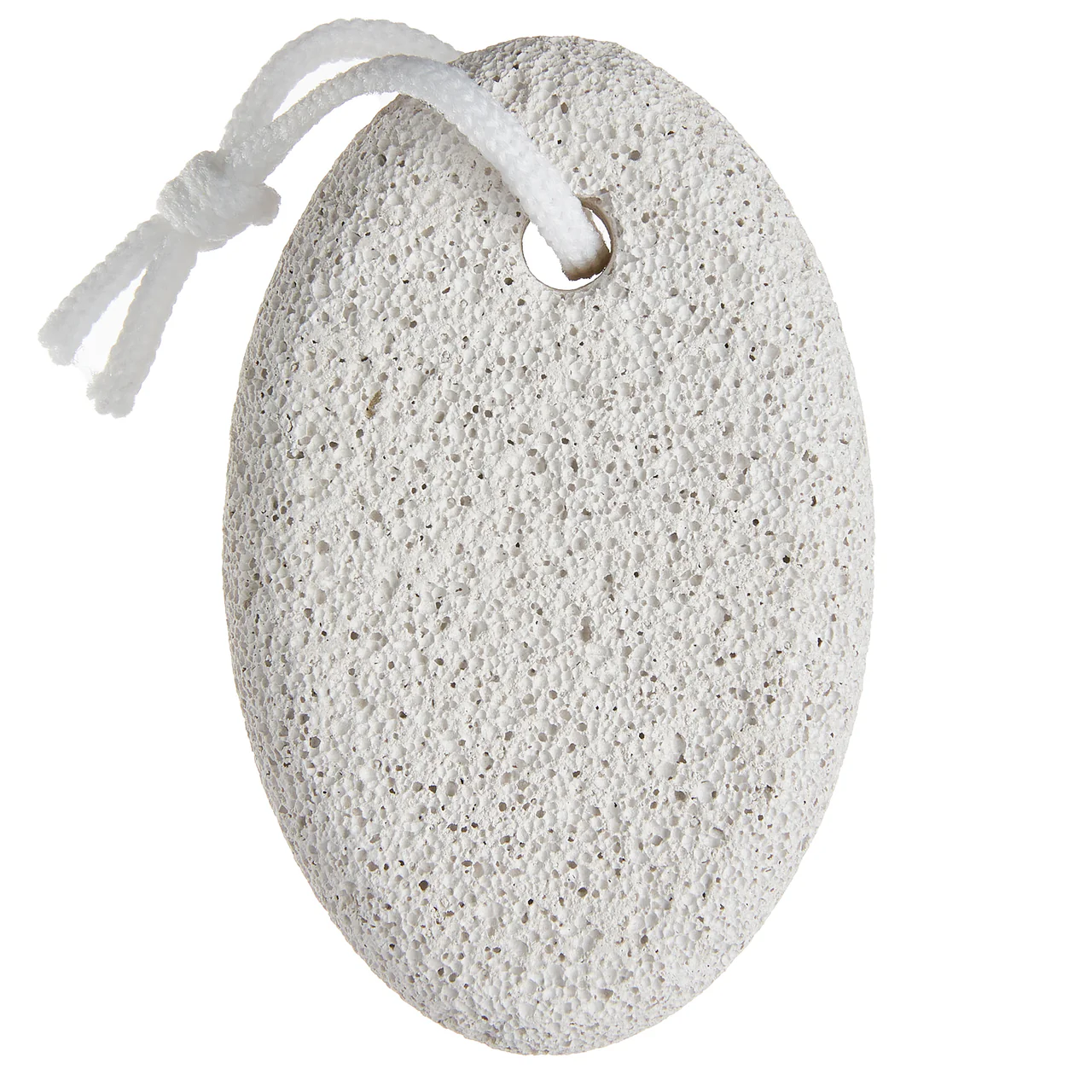
A pumice stone is a natural volcanic rock with a porous, abrasive surface. Its texture allows it to gently remove dead skin cells while leaving underlying healthy skin intact—when used properly.
Why Pumice Works Well for Feet
Gradual exfoliation (not sharp scraping)
Natural, even texture
Easy to control pressure
Suitable for regular maintenance
Because heels experience constant pressure and friction, they respond best to consistent, gentle exfoliation, not aggressive removal.
How Pumice Stones Smooth Heels (The Science, Simply)
Calluses form as a protective response to pressure. When you remove too much skin at once:
The body overcompensates
Calluses return thicker
Skin becomes sensitive or cracks
Pumice stones work by:
Removing only the outer dead layer
Encouraging gradual renewal
Maintaining skin balance
This is why professional pedicures favor pumice stones over blades for routine care.
When Should You Use a Pumice Stone?
Best Time to Use
After soaking feet (5–10 minutes)
During a shower or foot bath
When skin is softened—not dry
Water softens dead skin, allowing the pumice to work with minimal pressure.
Step-by-Step: How to Use a Pumice Stone Safely
Step 1: Soften the Skin
Soak feet in warm water. Add mild soap or soak solution if desired.
Step 2: Wet the Pumice Stone
Never use a pumice stone dry. Wet stone = controlled exfoliation.
Step 3: Use Light Pressure
Move in gentle circular or back-and-forth motions
Focus on rough areas only
Stop when skin feels smooth—not tender
Step 4: Rinse & Moisturize
Rinse feet and stone
Apply a rich foot cream
Seal moisture with socks if possible
Smooth heels are maintained after exfoliation, not during it.
How Often Should You Use a Pumice Stone?
This depends on skin condition.
General Guidelines
Normal dryness: 1–2 times per week
Heavy callus buildup: 2–3 times per week (light pressure)
Sensitive skin: Once per week or less
Daily use is unnecessary and often harmful.
Common Pumice Stone Mistakes (And How to Avoid Them)
❌ Scrubbing Too Hard
Leads to redness, soreness, and rebound calluses.
Fix: Let the stone do the work—pressure should be minimal.
❌ Using on Dry Skin
Increases friction and damage.
Fix: Always soften skin first.
❌ Over-Exfoliating
Removing too much skin triggers faster buildup.
Fix: Stop as soon as smoothness is achieved.
❌ Skipping Moisturizer
Leaves skin vulnerable and dry again.
Fix: Moisturize immediately after use.
Pumice Stones in Salon Pedicures
Professional salons use pumice stones to:
Control exfoliation safely
Avoid cutting live skin
Deliver consistent results
Reduce liability risks
Many salons prefer disposable or single-client pumice stones for hygiene and consistency.
Hygiene & Replacement: Don’t Ignore This Step
Pumice stones are porous, meaning they can trap:
Dead skin
Moisture
Bacteria
Best Practices
Rinse thoroughly after each use
Let dry completely
Replace regularly
Use disposable options in salons
If a pumice stone looks discolored or smells—replace it.
Pumice Stone vs Foot Files: What’s the Difference?
|
Tool |
Best For |
Risk Level |
|---|---|---|
|
Pumice Stone |
Gradual smoothing |
Low |
|
Metal Foot File |
Thick calluses |
Higher |
|
Foot Blade |
Severe buildup |
Professional use only |
For most people, pumice stones are the safest everyday option.
Who Should Be Careful with Pumice Stones?
Use extra caution if you have:
Diabetes
Circulation issues
Thin or fragile skin
Open cracks or wounds
In these cases, consult a professional before exfoliating.
Retail & Salon Insight
Pumice stones are:
Easy add-on retail items
Simple to explain to clients
Effective when paired with foot cream
Final Thoughts: Gentle, Consistent Care Wins
Smooth heels aren’t achieved by force—they’re achieved by consistency and restraint.
When used correctly, a pumice stone:
Safely removes dead skin
Maintains healthy heels
Prevents cracks and discomfort
Supports long-term foot care
Gentle exfoliation + proper moisture = lasting results.


