

Nails are more than just a beauty statement — they’re a reflection of your overall health. While colorful polish and trendy nail art steal the spotlight, what truly matters is what lies beneath: clean, well-cared-for nails. Without good hygiene, even the most glamorous manicure won’t last, and worse, you risk infections, breakage, and long-term nail damage.
That’s why we’ve created this comprehensive guide to nail hygiene tips. From understanding the science of nail growth to building a daily routine and choosing the right products, this checklist will help you keep your nails strong, safe, and stunning — whether you’re a nail art beginner or a seasoned beauty lover.
The Science Behind Nail Hygiene
Before diving into practical steps, let’s break down nail anatomy — because knowing how nails are built helps explain why hygiene matters so much.
-
Nail Matrix: Located under the skin at the base of your nail, this is where new nail cells are formed. Any infection here can permanently affect nail growth.
-
Lunula: The crescent-shaped white area at the base of the nail. It’s delicate and should never be aggressively filed or pushed.
-
Nail Bed: The pink tissue beneath your nail plate. Damage here can cause painful lifting or discoloration.
-
Cuticle: The thin layer of skin that protects the matrix. Cutting too deep or skipping oiling makes this area vulnerable.
-
Hyponychium: The skin under the free edge of your nail. Keeping it clean is vital to avoid bacterial buildup.
👉 Understanding these parts shows why every step in nail hygiene — from washing to moisturizing — plays a role in protecting your nails at the cellular level.
Why Nail Hygiene Tips Matter
Skipping hygiene isn’t just a cosmetic mistake; it can cause:
-
Fungal infections (yellow, thickened nails).
-
Bacterial infections (pain, redness, pus near cuticles).
-
Weakened nails that peel, split, or break easily.
-
Short-lived manicures because polish doesn’t adhere to dirty or oily nails.
In short: clean nails = healthy nails. And healthy nails make every manicure last longer.
Step 1: Wash and Dry Hands the Right Way
The most basic but most powerful nail hygiene tip is handwashing. Every time you wash, scrub under the nails with a soft brush or fingertip.
-
Use gentle, pH-balanced soaps (avoid harsh detergents that strip oils).
-
Wash for at least 20 seconds.
-
Dry completely, including under the free edge.
💡 Moisture left under nails breeds bacteria and fungus. A quick towel dry isn’t enough — pat thoroughly.
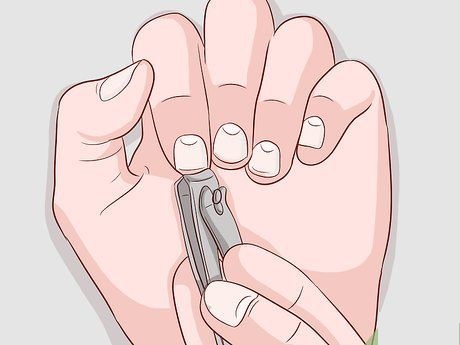
Step 2: Keep Nails Trimmed and Filed
Long nails can be glamorous, but shorter, well-shaped nails are easier to keep clean.
-
Trim every 1–2 weeks depending on growth.
-
File edges in one direction (not back and forth) to avoid splitting.
-
Use a buffer to smooth ridges for an even surface.
Retailers like Amazon, Walmart, and Sally Beauty carry a variety of nail files (80/100 grit for acrylics, 180/240 grit for natural nails). Meski Nail also provides professional buffers and files perfect for at-home care.
Step 3: Sanitize Your Tools After Every Use
Dirty tools are one of the top causes of nail infections. Yet most people forget this step.
How to sanitize nail tools at home:
-
Wash with soap and warm water.
-
Soak or wipe with rubbing alcohol.
-
Let air dry on a clean cloth.
-
Store in a closed container or pouch.
Disposable tools like emery boards or orange sticks? Replace after a few uses.
👉 Pro salons use autoclaves for sterilization, but for home use, alcohol and careful storage are sufficient.
Step 4: Handle Cuticles With Care
Cuticles are natural barriers against bacteria. Cutting them too aggressively creates openings for infection.
Instead, follow these nail hygiene tips:
-
Soften cuticles with warm water or a cuticle softener.
-
Push back gently with a sanitized tool.
-
Apply oil daily to prevent dryness and cracks.
Trusted cuticle care brands include CND SolarOil, OPI ProSpa Oil, and Burt’s Bees Cuticle Cream, available at Ulta Beauty, Sephora, and drugstores nationwide.
Step 5: Hydrate and Moisturize
Just like skin, nails need hydration. Without it, they become brittle and peel.
Daily must-haves:
-
Hand cream: Try Neutrogena Norwegian Formula or Eucerin Advanced Repair.
-
Cuticle oil: Essie Apricot Oil and jojoba-based blends are top choices.
-
Night treatment: Heavier creams or Vaseline work wonders overnight.
Meski recommends keeping a small cuticle oil pen in your purse for quick daily hydration.
Step 6: Be Smart About Polish and Remover
Polish adds style, but it can also cause staining and dehydration. Same goes for harsh removers.
Best practices:
-
Always apply a base coat (like Essie First Base or OPI Nail Envy) before polish.
-
Give your nails “rest days” — at least 1–2 polish-free days per month.
-
Use acetone-free removers when possible.
💡 Want gel polish at home? Invest in a LED lamp (faster and safer than UV). Sally Beauty and Amazon offer beginner-friendly kits.
Step 7: Protect With Gloves
Everyday chores can ruin your nails. Cleaning products, hot water, and soil all cause damage.
A simple fix: Wear gloves.
-
Rubber gloves with cotton lining for dishwashing.
-
Gardening gloves for yard work.
-
Disposable nitrile or vinyl gloves for messy crafts.
Meski Nail’s latex-free gloves are an affordable, safe choice for home use.
Step 8: Stop Biting and Picking
Nail biting isn’t just unsightly — it introduces bacteria directly into your mouth and can cause long-term damage to the nail bed.
Try this:
-
Use bitter-tasting anti-bite polishes.
-
Keep nails short and smooth.
-
Identify triggers (stress, boredom) and redirect with healthier habits (stress balls, fidget toys).
Step 9: Nutrition and Lifestyle for Nail Health
True nail health starts from the inside out. Here are diet-based nail hygiene tips:
-
Biotin (Vitamin B7): Strengthens brittle nails. Found in eggs, almonds, salmon. Supplements are also available at Walmart or Amazon.
-
Vitamin E: Repairs damage and promotes shine. Sources include sunflower seeds and avocados.
-
Iron: Prevents ridges and thin nails. Red meat, spinach, lentils.
-
Hydration: Drink at least 8 cups of water daily.
Even the best manicures can’t compensate for poor nutrition — a healthy diet is essential.
Step 10: Pay Attention to Nail Health Signals
Sometimes, nails reveal more than you think.
-
White spots: Usually trauma, but persistent ones could signal zinc deficiency.
-
Yellow nails: Could be polish stains or fungal infection.
-
Ridges: Normal with age, but severe ridges = possible vitamin deficiencies.
-
Separation from nail bed: See a dermatologist immediately.
Never ignore ongoing issues — healthy nails are consistent in color, texture, and strength.
Step 11: Seasonal Nail Hygiene Tips
Different climates demand different care routines.
-
Winter: Cold air + indoor heat = brittle nails. Use thick creams like Aquaphor.
-
Summer: Sun + chlorine = discoloration. Protect with SPF hand creams (Supergoop Handscreen).
-
Spring/Fall: Transition weather → strengthen nails with keratin treatments.
-
Travel: Carry mini sanitizer, buffer, and oil in a pouch to maintain hygiene on the go.
Step 12: Build a Daily & Weekly Nail Hygiene Routine
Daily:
-
Wash and dry nails thoroughly.
-
Moisturize hands + apply cuticle oil.
-
Avoid biting or picking.
Weekly:
-
Trim and file nails.
-
Sanitize tools.
-
Buff lightly.
-
Give nails a polish-free day.
Monthly:
-
Deep clean tool kit.
-
Treat nails with a strengthening mask.
-
Replace disposable files and sticks.
Consistency is key — this routine ensures your nails always look polished, even without polish.
Frequently Asked Questions
Q: How often should I sanitize nail tools?
A: After every single use. Think of tools like toothbrushes — they need regular cleaning.
Q: Is it safe to cut cuticles?
A: Only lightly trim hangnails. Otherwise, push back instead of cutting.
Q: Can nails “breathe”?
A: No — nails are made of keratin and don’t have pores. They get nutrients from blood supply under the nail bed.
Q: Why do my nails peel?
A: Often due to dehydration or harsh removers. Switch to non-acetone and hydrate daily.
Final Thoughts
Healthy nails aren’t just about beauty — they’re about protection, hygiene, and self-care. By following this complete checklist of nail hygiene tips, you can prevent infections, strengthen your nails, and make every manicure last longer.
At Meski Nail N More, we believe nail care should be easy, effective, and stylish. That’s why we provide essentials like buffers, files, spa liners, and gloves — tools designed to help you build your best nail hygiene routine.
Take care of your nails today, and they’ll shine tomorrow.
Meski Nail N More
10015 Garden Grove Blvd, Garden Grove, CA 92844
Email: contact@meskinail.com
Phone: +1 (669) 696-7724


