

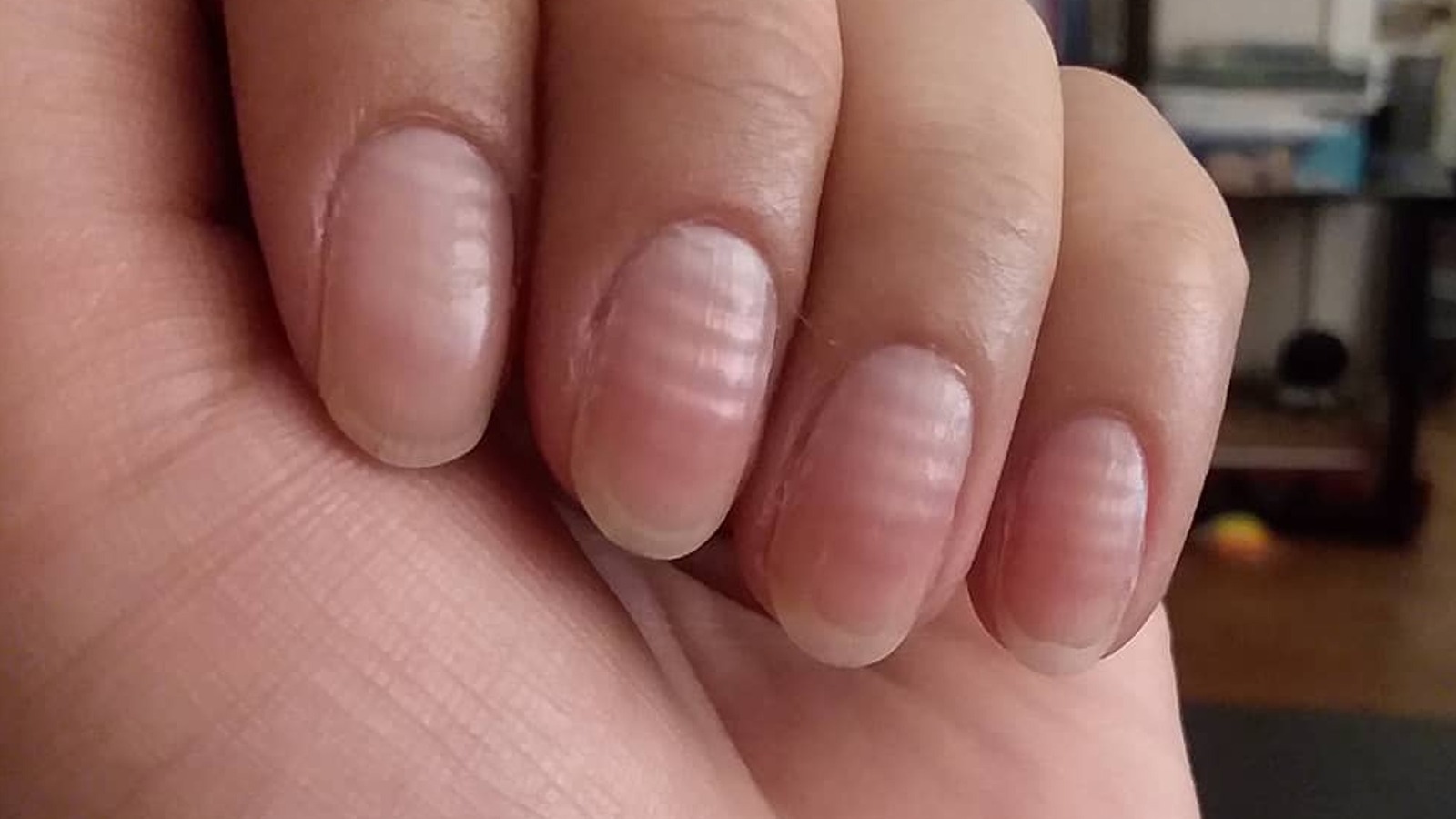
Smooth, shiny nails are often seen as a sign of health and beauty. But when you look closely, you may notice raised lines or grooves running across the surface. These are called nail ridges, and they’re one of the most common nail concerns people face.
While nail ridges are usually harmless, they can sometimes point to underlying health or lifestyle factors. More importantly, they can affect the way your nails look and even how polish adheres.
This guide is your ultimate resource for understanding nail ridges — what causes them, how to treat them, and how to prevent them in the first place.
What Are Nail Ridges?
Nail ridges are linear elevations on the nail plate that can run in two main directions:
-
Vertical nail ridges: Lines running from the cuticle to the tip. These are very common, especially with age, and are usually harmless.
-
Horizontal nail ridges (Beau’s lines): Lines that run side to side. These can be more concerning, as they may signal disruptions in nail growth caused by illness, trauma, or deficiencies.
Think of your nails like a timeline. Each ridge tells a story of what was happening in your body when that part of the nail was formed.
The Anatomy Behind Nail Ridges
To understand ridges, you need to understand how nails grow.
-
Nail Matrix: The hidden root under your cuticle where new nail cells form.
-
Nail Plate: The visible hard surface made of keratinized cells.
-
Nail Bed: The skin beneath the nail plate that nourishes the nail.
-
Cuticle: The thin skin that protects the matrix from bacteria.
-
Lunula: The pale half-moon at the base of the nail, visible on some fingers.
When the matrix produces cells evenly, nails grow smooth. If growth slows or is disrupted — by illness, trauma, or lack of nutrients — uneven texture appears, leading to nail ridges.
Common Causes of Nail Ridges
-
Natural Aging
-
Just like skin develops wrinkles, nails develop vertical ridges as growth slows with age.
-
Reduced natural oil production makes nails drier and more textured.
-
-
Dehydration
-
Excessive handwashing, frequent sanitizer use, and acetone removers strip moisture.
-
Dry nails = more prone to ridges and peeling.
-
-
Nutritional Deficiencies
-
Biotin deficiency → brittle, splitting nails.
-
Iron deficiency (anemia) → spoon-shaped nails with deep ridges.
-
Zinc deficiency → white spots, ridges, and slow nail repair.
-
Protein deficiency → weaker keratin production.
-
-
Stress and Illness
-
Major illness, fever, or surgery can temporarily halt nail growth, leaving horizontal ridges.
-
Stress hormones also impact nutrient absorption, indirectly affecting nails.
-
-
Nail Trauma
-
Banging your finger, aggressive cuticle cutting, or rough filing disrupts the matrix.
-
Ridges often appear months later as the nail grows out.
-
-
Medical Conditions
-
Persistent or severe ridges may be linked to thyroid imbalance, psoriasis, eczema, or circulatory problems.
-
If ridges are sudden, deep, and accompanied by pain or discoloration, consult a doctor.
-
Nail Ridges vs. Normal Nail Texture
Not every ridge is a problem. Most people develop faint vertical ridges over time. What matters is the pattern and severity:
-
Mild vertical ridges: Normal with age, usually not a concern.
-
Sudden horizontal ridges: Possible sign of illness or stress.
-
Discoloration with ridges: Could indicate fungal or systemic issues.
How to Treat Nail Ridges
You can’t erase ridges instantly, but you can greatly improve nail appearance and health with the right routine.
1. Gentle Buffing
-
Use a 240-grit buffer to lightly smooth raised areas.
-
Limit buffing to once or twice a month.
-
Try Meski Nail buffers, Tweezerman, or KISS 4-Way Buffers.
2. Hydration and Oils
Daily hydration is the most effective treatment.
-
Cuticle oils: CND SolarOil, OPI ProSpa, Cuccio Revitalizing Oil.
-
Creams: Neutrogena Norwegian Formula, Eucerin Advanced Repair.
-
Night repair: Burt’s Bees Lemon Butter Cuticle Cream or Vaseline + gloves overnight.
3. Ridge-Filling Base Coats
Make nails look smooth instantly and protect them.
-
Essie Ridge Filling Base Coat
-
OPI Nail Envy Ridge Filler
-
Orly Ridgefiller
4. Nutrition Support
Support growth from the inside out.
-
Biotin: Eggs, nuts, oats.
-
Iron: Spinach, red meat, lentils.
-
Zinc: Pumpkin seeds, chickpeas, seafood.
-
Protein: Chicken, tofu, beans.
Popular supplements: Nature’s Bounty Biotin, Sports Research Collagen Peptides (Amazon, Walmart, Sephora).
5. Lifestyle Adjustments
-
Stay hydrated — aim for 8+ glasses of water.
-
Manage stress — yoga, meditation, sleep.
-
Wear gloves when cleaning to protect from chemicals.
-
Avoid biting or picking at nails.
Preventing Nail Ridges
-
Keep cuticles moisturized daily.
-
Sanitize nail tools after every use.
-
Don’t over-buff or file aggressively.
-
Take regular breaks from polish and gel.
-
Maintain a balanced diet with key vitamins.
Nail Hygiene and Ridges
Good hygiene is the first defense against ridges. Follow a hygiene checklist:
-
Wash and dry nails thoroughly.
-
Sanitize tools.
-
Moisturize hands and cuticles.
-
Avoid using nails as tools.
Healthy habits = smoother growth.
Seasonal Nail Ridge Care
-
Winter: Cold, dry air worsens ridges → double up on oils and thick creams (Aquaphor, Eucerin).
-
Summer: Chlorine + UV damage nails → use SPF hand creams (Supergoop Handscreen).
-
Spring/Fall: Transition weather stresses nails → strengthen with keratin treatments.
-
Travel: Carry a mini kit (oil pen, sanitizer, file) to protect nails on the go.
Professional Salon Treatments for Nail Ridges
At-home care is powerful, but salons offer advanced options:
-
Paraffin wax dips → improve hydration and circulation.
-
Keratin nail treatments → repair brittle nails.
-
Structured gel overlays → protect natural nails while growing out ridges.
Ask your salon about ridge treatments — many offer add-ons that directly target nail texture.
FAQs About Nail Ridges
Q: Are nail ridges permanent?
A: Age-related vertical ridges may remain but can be minimized. Horizontal ridges usually grow out.
Q: How long until I see results?
A: Nail growth is slow — 3–6 months for fingernails to regrow. With consistent care, smoother growth appears within 2–3 months.
Q: Can gel polish worsen ridges?
A: If applied/removed correctly, no. But rough removal can thin nails, making ridges appear deeper.
Q: What’s the fastest fix for nail ridges?
A: Ridge-filling base coats for appearance + hydration for long-term improvement.
Q: Should I see a doctor?
A: If ridges appear suddenly, run horizontally, or are paired with pain/discoloration.
Case Study: From Ridged to Restored
Sarah, 32, noticed deep ridges after a stressful year. She started daily cuticle oil, switched to non-acetone remover, and added a biotin supplement. Within 4 months, her nails were visibly smoother, and polish lasted longer.
Her lesson? Consistency works. Nail ridges improve gradually when you treat the root causes.
Meski’s Picks for Nail Ridge Care
At Meski Nail N More, we carry everything you need for smoother, healthier nails:
-
Nail buffers & files → safe smoothing without damage.
-
Cuticle oils & creams → hydration essentials.
-
Protective base coats → mask ridges and strengthen.
-
Gloves & spa liners → protect during cleaning or treatments.
We also track best-sellers from Amazon, Ulta, Sephora, and Sally Beauty so you can compare and build your ideal kit.
Final Thoughts
Nail ridges are common and usually harmless, but they can make nails look uneven and cause polish to chip faster. With the right combination of hydration, nutrition, protection, and consistency, you can prevent and minimize ridges over time.
Remember: beautiful nail art begins with a healthy canvas. Treat your nails well, and they’ll reward you with strength and shine.
Meski Nail N More
10015 Garden Grove Blvd, Garden Grove, CA 92844
Email: contact@meskinail.com
Phone: +1 (669) 696-7724


