

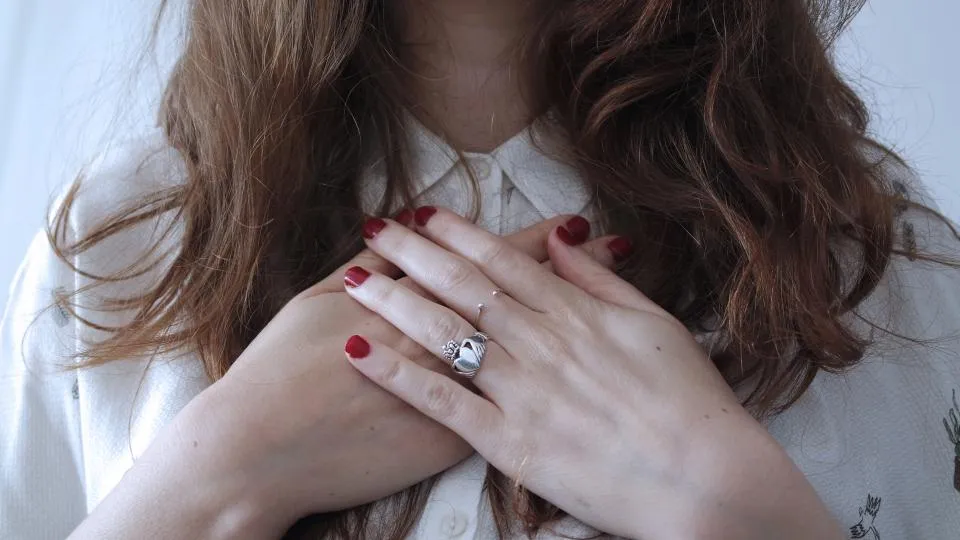
If you want to know how to dry nail polish fast, the biggest win is simple: paint thin coats and wait a minute or two between them. After that, a quick-dry top coat and a stream of cool air (a fan or a hair dryer on the cool setting) help the surface set faster. Regular polish dries as its solvents evaporate, so anything that speeds up evaporation without adding heat will help.
Key takeaways
- Thin coats dry much faster than thick ones. This matters more than any gadget or trick.
- Cool moving air helps. Hot air can make polish bubble and soft, and nail products can catch fire near heat.
- The ice water trick works for some people, but the evidence is anecdotal, not scientific.
- A UV or LED lamp does not dry regular polish. Only gel polish cures under a lamp.
- “Dry to the touch” is not “fully hard.” Be gentle with your nails for the next several hours.
Why nail polish takes so long to dry
Regular nail polish is a mix of film formers, color and solvents. The solvents keep it liquid in the bottle. Once you brush it on, they start to evaporate, and the film left behind turns hard.
The top of each layer dries first. The polish underneath is still soft and keeps releasing solvent through the surface. That is why nails can feel dry quickly and still pick up a dent from your bedsheet at night.
So the real goal is not just a dry surface. It is giving every layer a fair chance to let its solvent out.
How to dry nail polish fast: the step-by-step method
This routine works with regular polish at home. It does not need any special tools.
- Start with clean, dry nails. Wipe off oils and lotion. Polish grips better and you won’t have to fix smudges later.
- Apply a thin base coat. Let it sit for about a minute. Our post on base coat vs top coat explains why this layer matters.
- Paint thin color coats. Wipe most of the polish off the brush on the bottle neck. Use three strokes per nail: one down the middle, one on each side.
- Wait between coats. Give each coat about two minutes before the next. Two thin coats beat one thick coat every time.
- Finish with a quick-dry top coat. Many fast-dry top coats are made to set quickly and help the layers below dry too.
- Use cool air for 5 to 10 minutes. Sit near a fan or use a hair dryer on the cool setting, held at a comfortable distance.
- Stay careful for a few hours. Avoid digging in bags, opening cans or tying shoes right away.
If your polish is gloopy and hard to spread thin, fix that first. Old, thick polish is one of the main reasons nails take forever to dry. See our guide on how to fix thick nail polish.
Cool air vs. a hair dryer: which is better?
Moving air carries solvent vapor away from the surface, so the next bit of solvent can escape. That is why a fan or cool air helps.
Heat is a different story. Warm air can soften fresh polish, cause tiny bubbles and leave a wrinkled finish. There is also a safety issue. The U.S. Food and Drug Administration warns that some nail products can easily catch fire near a flame or a heat source, such as the heating element of a curling iron. The FDA also advises good ventilation when you use nail products.
So if you reach for a hair dryer, switch it to the cool setting. Keep it at arm’s length and away from open bottles.

The ice water trick: myth or reality?
You have probably seen this one. Paint your nails, wait a minute or two, then dip them into a bowl of ice water for a few minutes.
Here is the honest answer. This hack works for some people, but we could not find solid scientific testing behind it. The evidence is mostly personal stories and beauty videos. Some people say cold water helps the surface firm up. Others notice little difference, or they end up with dents because they dipped too soon.
If you want to try it, follow these rules:
- Wait until the surface is no longer tacky before you dip.
- Use cold water, not a slushy mix full of hard ice chunks that can bump your nails.
- Pat dry gently. Do not rub your nails with a towel.
If you are still figuring out how to dry nail polish fast, treat it as an optional extra, not a replacement for thin coats and a good top coat.

Comparison table: fast-drying methods
| Method | What it does | Time saved | Caveat |
|---|---|---|---|
| Thin coats | Less solvent per layer, so each layer dries faster | High; the most reliable method | Needs patience between coats |
| Quick-dry top coat | Sets fast and seals the color layers | High | Works best over thin coats; follow the label |
| Fan or cool air | Moves solvent vapor away from the surface | Moderate | Keep dust and hair away from wet nails |
| Hair dryer (cool setting) | Same idea as a fan, with a stronger airflow | Moderate | Never use heat; nail products can catch fire near heat sources |
| Quick-dry drops or sprays | Usually form a slick layer that helps prevent smudges | Moderate for the surface | The layers underneath still need time to harden |
| Ice water dip | Cools the surface; reported to firm it up | Works for some people | Anecdotal only; dipping too early can dent polish |
| UV/LED lamp | Nothing for regular polish | None | Only gel polish cures under a lamp |
Quick-dry drops, sprays and fast-dry top coats
Quick-dry drops and sprays are popular for a reason. You put a drop on each nail or mist your hands after the top coat. Many of these products leave a thin, slippery layer on top. That makes it harder for fabric or fingers to grab and smudge the surface.
They help with the “I need to grab my keys” moment. They do not make the whole manicure fully hard in minutes, so still be gentle for a while.
A fast-dry top coat does more of the heavy lifting. It adds shine, seals the color and is designed to set quickly. Put it on while the color coat is still slightly fresh, not after it has fully dried, so the layers bond well. Also cap the nail tip with a stroke along the edge. That small step helps with chipping, which we cover in why your nail polish chips.
Why regular polish won’t dry under a UV lamp
This one confuses a lot of people. UV and LED nail lamps are made for gel polish. Gel contains ingredients that harden (cure) when light hits them. Regular polish has no such ingredients. It only dries as solvents evaporate.
So putting regular polish under a lamp does nothing useful. Some lamps also get warm, which brings back the heat problems above.
If you want a manicure that is fully set the moment you leave the chair, gel is the answer. Gel products are for professional use, and each one should be used exactly as the label says. For example, salons use a no-wipe gel top coat like the Meski Crystal No-Wipe Gel Top Coat, which is cured under a lamp and does not need a wipe-off step. You can see the full range in our gel and top coats category, and our tips on making a gel top coat last longer.

How long does nail polish really take to fully dry?
Thin coats of regular polish usually feel dry to the touch fairly soon, but the exact time depends on the formula, the number of coats and the room. That is surface-dry only.
The full film keeps hardening for hours after that. Thick coats, humid air and cold rooms all slow things down. A good rule is to plan your manicure for the evening only if you can sit still for a while, and avoid hard work with your hands until the next day.
A few habits help during that window:
- Skip long hot showers right after painting. Warm water and steam can soften fresh polish.
- Put on gloves for chores like dishes and cleaning, once your nails are fully set.
- If you do smudge a nail, dab a tiny bit of polish remover on your fingertip and gently smooth the spot, then add a thin touch-up coat.
How to avoid dents and sheet marks
Sheet marks happen when you go to bed with polish that is dry on top but soft underneath. The fabric presses a pattern into the soft layer.
- Paint earlier. Give yourself at least a couple of hours before bed.
- Keep coats thin. Thick layers stay soft much longer.
- Use a quick-dry top coat and drops. The slick layer helps fabric slide off the surface.
- Avoid pressing your nails. Don’t test dryness by pushing your nail into another nail. Lightly touch two nails together instead.
And if polish ends up somewhere it shouldn’t, our guide on how to get nail polish out of clothes can help.
FAQ
Does cold water really make nail polish dry faster?
It works for some people, but there is no solid scientific testing to back it up. The reports are mostly anecdotal. If you try it, wait until the surface is no longer tacky, then dip gently. Thin coats and a quick-dry top coat are more reliable.
Can I use a hair dryer to dry nail polish?
Yes, but only on the cool setting. Hot air can soften polish and cause bubbles. The FDA also notes that some nail products can catch fire near a heat source, so keep heat away from wet polish and open bottles.
Will a UV lamp dry regular nail polish?
No. UV and LED lamps cure gel polish, which is made to harden under light. Regular polish dries only as its solvents evaporate, so a lamp does not help.
How long should I wait before going to bed after painting my nails?
Give yourself at least a couple of hours if you can. Polish may feel dry fairly quickly, but the layers underneath stay soft much longer. Thin coats and a quick-dry top coat lower the risk of sheet marks.
Why is my nail polish still tacky after an hour?
The most common causes are coats that are too thick, old polish that has thickened, or a humid room. Try thinner coats, wait longer between them and use a fresh top coat.
Learning how to dry nail polish fast comes down to thin coats, patience between layers, a good top coat and cool air. Everything else is a bonus. If you run a salon and want a manicure that is set before clients leave, browse our gel and top coats. Questions? Call +1 (669) 696-7724 or reach us through our contact page.


