

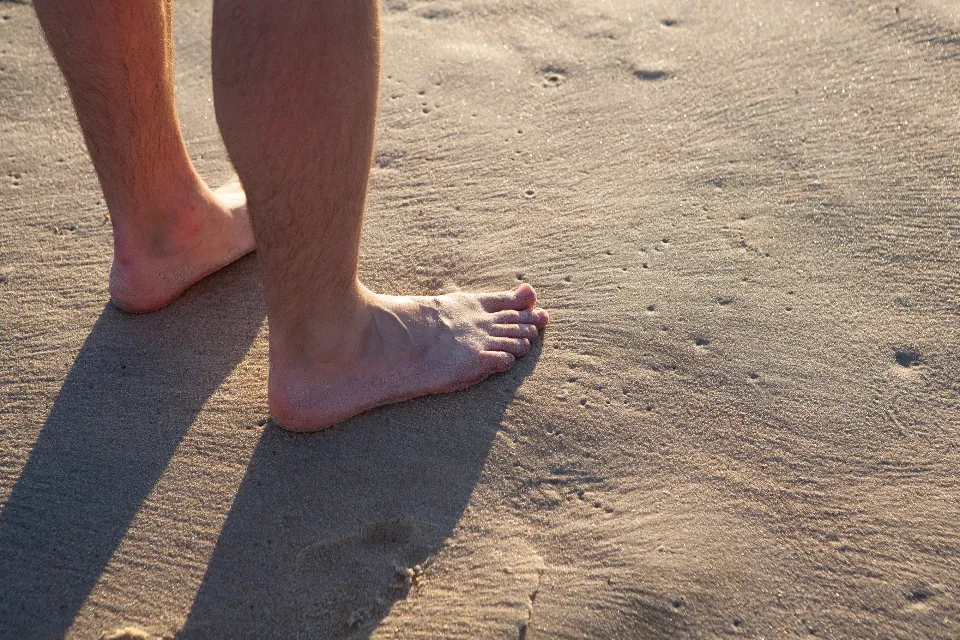
Here’s how to fix cracked heels at home: keep showers and foot soaks short, gently smooth thick skin, and put on a thick moisturizer with urea, alpha hydroxy acid, or salicylic acid while your skin is still damp. At night, add a layer of petroleum jelly and wear socks. If you have diabetes, or your cracks are deep, bleeding, or not getting better, see a doctor.
Key takeaways
- Most cracked heels start with dry skin that turns thick and hard from everyday pressure.
- Short, lukewarm soaks work better than long, hot ones. Soaking too long can dry skin out.
- Moisturize within a few minutes of bathing, then seal it in with petroleum jelly and socks at bedtime.
- Skip open-heeled shoes, like flip-flops, while your heels heal.
- People with diabetes, or anyone with deep or bleeding cracks, should get medical advice first.
Why do heels crack?
Your heels take a lot of pressure every time you stand and walk. According to Cleveland Clinic, that stress can make the skin on your heels thick and hard. Over time it can turn rough or split into cracks called heel fissures.
Cleveland Clinic points to a few common reasons heel skin gets dry:
- Age. Skin makes less oil and gets thinner as you get older.
- Friction. Shoes that rub, plus dry weather, wear down the skin.
- Skipping moisturizer. Many people lotion their arms and legs but forget their heels.
The American Academy of Dermatology (AAD) adds that heels crack easily in winter. Cracks are more than a looks problem. Cleveland Clinic notes they can hurt and weaken your skin’s barrier, which can open the door to infection.
How to fix cracked heels: a step-by-step routine
This routine is based on tips from the AAD and Cleveland Clinic. Do it daily. When it comes to how to fix cracked heels, steady daily care beats one big scrub. Most people need a couple of weeks to see a real change.
- Keep it short. The AAD suggests limiting baths and showers to 5 to 10 minutes. Cleveland Clinic says a foot soak is fine, but only for a few minutes. Soaking too long can weaken the skin barrier and let more moisture escape.
- Use lukewarm water and a gentle cleanser. Pick a fragrance-free soap. It helps your feet keep their natural oils. Don’t scrub hard.
- Pat dry. Blot your feet gently with a towel instead of rubbing.
- Smooth thick skin gently, if you need to. Cleveland Clinic says pumice stones and foot files are okay when used as directed and in moderation. Don’t file any area that’s inflamed, itchy, or sensitive, and don’t file into a crack.
- Moisturize right away. The AAD says to put on a moisturizing cream within 5 minutes of bathing, while your skin is still damp. Reapply any time your heels feel dry.
- Seal it in at night. Before bed, cover your heels with plain petroleum jelly and put on socks. The socks also keep grease off your sheets.
- Protect cracks during the day. The AAD suggests a liquid bandage over heel cracks. It forms a barrier that can reduce pain, help healing, and keep germs out.
If your heels also have thick, hard calluses, the steps overlap. Our guide on how to get rid of calluses on feet covers safe filing in more detail.
What to look for in a heel cream
A thin body lotion often isn’t enough for cracked heels. Look at the label for ingredients that soften thick skin or lock in water. Here’s what the AAD and Cleveland Clinic name.
| Ingredient | What it does | What the source says |
|---|---|---|
| Urea | Softens and helps remove dead, thick skin | AAD: look for 10% to 25% urea. Cleveland Clinic mentions over-the-counter urea creams at 20% or 40%. |
| Alpha hydroxy acid | Gently loosens dead skin | Listed by the AAD as a helpful ingredient for dry, cracked heels. |
| Salicylic acid | Helps soften thick, rough skin | Also listed by the AAD. |
| Ceramides | Help trap water in the skin and repair its barrier | Recommended by a Cleveland Clinic dermatologist. |
| Petroleum jelly | Seals moisture in | AAD: use plain petroleum jelly before bed. Cleveland Clinic calls it an occlusive that locks in moisture. |
Cleveland Clinic says it takes about two weeks of regular use to see results from over-the-counter exfoliating creams. Once your heels are smooth, keep using one to stop the cracks from coming back.

Shoes and daily habits that help
What you wear on your feet matters as much as what you put on them. The AAD says people with cracked heels should avoid:
- Open-heeled shoes, such as flip-flops or slingbacks
- Shoes that are worn down
- Shoes that don’t fit well
Socks help, too. A Cleveland Clinic dermatologist explains that socks add a layer between your skin and the outside world. For sleeping, Cleveland Clinic suggests thin, 100% cotton socks over your moisturizer.
Other simple habits:
- Wash your feet every day with lukewarm water, not hot.
- Keep a jar of heel cream by your bed so you don’t skip it.
- Moisturize your heels whenever they feel tight or rough, not just after a shower.
Hands crack for many of the same reasons. If yours are rough too, see our tips on how to fix dry, cracked hands.
What not to do
- Don’t take long, hot soaks. They can pull moisture out of your skin and make cracks worse.
- Don’t over-file. Cleveland Clinic warns that you’re not trying to grate your feet. Stop if your skin turns pink, sore, or raw.
- Don’t cut or shave hard skin. Razors and blades can cause cuts that bleed and get infected.
- Don’t ignore cracks that hurt. Pain, bleeding, or redness means it’s time to get help.
When to see a doctor about cracked heels
Most cracked heels get better with home care. But not all of them. The AAD says cracked heels are sometimes caused by a medical condition, such as diabetes. If your cracks are severe or don’t improve after following these tips, talk to a board-certified dermatologist.
Cleveland Clinic adds that dry, flaky skin can be a sign of eczema, psoriasis, a fungal infection, or other conditions. If something like that is behind it, a healthcare provider should treat it.
See a doctor or podiatrist if:
- You have diabetes. The AAD’s diabetes skin care page warns that cracks can grow deep and bleed, which raises the risk of a serious infection.
- Your cracks are deep, bleeding, or make it hard to walk.
- You see signs of infection, such as redness, swelling, warmth, or pus.
- Your heels haven’t improved after a few weeks of daily care.
- The cracks keep coming back no matter what you do.
This article is general information, not medical advice. A doctor can look at your feet and tell you what’s going on.
Can a pedicure help cracked heels?
A pedicure can help smooth rough heels, as long as your skin isn’t broken. If your cracks are open or bleeding, skip the foot soak and wait until they heal. Tell your nail tech about any sore spots before they start.
Here’s what a safe salon visit looks like:
- A fresh file and pumice for you. In California, pumice stones, files, and buffers are single-use items in salons. Many salons open a sealed disposable pedicure kit at the chair for each client.
- No blades. California’s salon rules don’t allow razor-edged tools for removing calluses. If you see one, say no.
- Gentle smoothing. A good tech softens rough skin. They don’t file it down to raw skin.

After your visit, keep up your heel cream and socks routine at home. That’s what keeps the results going.
FAQ
What is the fastest way to heal cracked heels?
There’s no overnight fix. The quickest results come from moisturizing every day with a thick cream that contains urea, alpha hydroxy acid, or salicylic acid. Put it on right after bathing while your skin is damp, then add petroleum jelly and socks at bedtime. Cleveland Clinic says most people see a change in about two weeks.
Does petroleum jelly help cracked heels?
Plain petroleum jelly can help seal in moisture. The AAD suggests putting it on your heels before bed and wearing socks over it. It works best on top of a moisturizing cream.
Should I use a pumice stone on cracked heels?
You can, gently. Cleveland Clinic says pumice stones and foot files are fine when used as directed and in moderation. Don’t file over red, itchy, sore, or bleeding skin, and don’t share your pumice stone with anyone.
Why do my heels keep cracking?
Common reasons include dry skin, open-backed shoes, worn-out shoes, and skipping moisturizer. Sometimes a medical condition like diabetes, eczema, or psoriasis is part of the cause. If your heels keep cracking even with good daily care, see a dermatologist.
Are cracked heels a sign of diabetes?
They can be, but most cracked heels come from dry skin. Cleveland Clinic notes that dry, cracked heels could sometimes signal diabetes. If you have other symptoms or you’re worried, ask your doctor. If you already have diabetes, get any foot cracks checked.
That’s how to fix cracked heels: short lukewarm soaks, gentle smoothing, a thick cream on damp skin, and petroleum jelly with socks at night. Wear closed-back shoes that fit, and see a doctor if you have diabetes or your cracks are deep, bleeding, or not healing. Salon owners can find single-use pumice and files in our buffers and pumice category. Questions? Call +1 (669) 696-7724 or reach us through our contact page.


